

The public sector entity struggled with fragmented IT systems, inconsistent vendor management, and inefficient feedback integration. These challenges impacted service quality, responsiveness, and budget control, necessitating a cohesive strategy to streamline procurement, ensure accountability, and drive long-term value for stakeholders.

The Solution We Presented
Veraqor proposed a comprehensive, multi-faceted IT strategy tailored to the entity’s operational environment and long-term objectives. Our approach focused on unifying disparate systems, enabling data-driven oversight, and supporting organizational agility.
Streamlined IT Offerings
We outlined a consolidated portfolio of managed IT services, applied AI, and cloud-based solutions designed to reduce operational silos. From cloud migration strategies to hybrid infrastructure models, the proposed services were aligned with the organization’s mission and future scalability needs.
Enhanced Feedback Mechanisms
To ensure that internal insights could translate into strategic improvements, we recommended structured feedback loops using tools such as SharePoint and scheduled interdepartmental review sessions. This approach was designed to elevate employee input into actionable initiatives and reinforce a culture of continuous refinement.
Performance Monitoring and Optimization
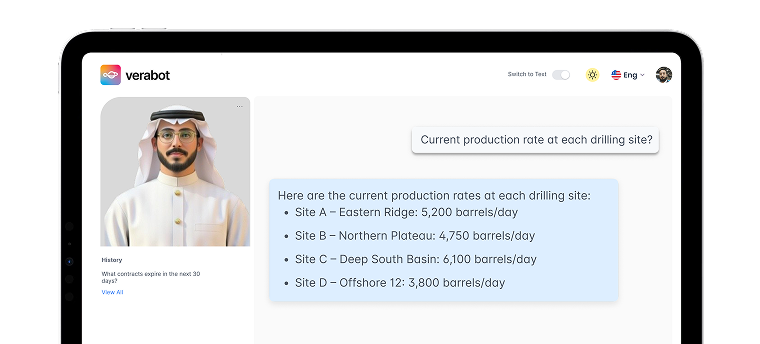
Our strategy included real-time analytics dashboards to support proactive governance. These tools were presented to track project milestones, manage budget adherence, and measure service performance by empowering leaders to make timely, informed decisions.
Custom AI Integration
The proposed solution incorporated advanced AI applications, including predictive analytics for operational planning and conversational AI to elevate citizen engagement. These components were intended to streamline administrative workflows while improving the quality and responsiveness of public services.
Vendor Accountability and Cost Optimization
To address inefficiencies in vendor management, we recommended a governance framework focused on performance accountability, cost control, and service consistency. This model included periodic audits, outcome tracking, and training to maximize contract value and alignment with strategic goals.
Result and Future Prospects
Improved Operational Alignment:
The proposed strategy aimed to eliminate silos and foster cohesive interdepartmental collaborations supporting smoother workflows and clearer accountability.
Accelerated Feedback Utilization:
By introducing structured feedback systems, the solution was designed to facilitate quicker turnaround on organizational insights, enhancing agility in planning and execution.
Strategic Cost Oversight:
The vendor governance framework was outlined to help the entity manage IT investments more effectively supporting procurement transparency and optimizing spend.
Elevated Citizen Engagement Capabilities:
Conversational AI and predictive modeling tools were proposed to support high-volume public interactions and streamline frontline services—positioning internal teams to focus on strategic initiatives.
Data-Driven Leadership:
Real-time dashboards were structured to provide leadership with critical insights into financial and operational metrics—improving visibility and enabling timely course correction.
Cloud-Enabled Scalability:
The move to cloud infrastructure was positioned to reduce long-term operating costs and provide the agility needed to scale digital services as demand and complexity grow.
Forecasting and Resource Planning:
Predictive analytics were recommended to enable more accurate planning and allocation of resources, supporting proactive governance and long-term efficiency.
Foundation for Strategic Partnership:
The feedback and governance structures were designed to support an adaptive, collaborative relationship between stakeholders—ensuring continued alignment with evolving needs and reinforcing long-term strategic value.

The public sector entity struggled with fragmented IT systems, inconsistent vendor management, and inefficient feedback integration. These challenges impacted service quality, responsiveness, and budget control, necessitating a cohesive strategy to streamline procurement, ensure accountability, and drive long-term value for stakeholders.
The Solution We Presented
Veraqor proposed a comprehensive, multi-faceted IT strategy tailored to the entity’s operational environment and long-term objectives. Our approach focused on unifying disparate systems, enabling data-driven oversight, and supporting organizational agility.
Streamlined IT Offerings
We outlined a consolidated portfolio of managed IT services, applied AI, and cloud-based solutions designed to reduce operational silos. From cloud migration strategies to hybrid infrastructure models, the proposed services were aligned with the organization’s mission and future scalability needs.
Enhanced Feedback Mechanisms
To ensure that internal insights could translate into strategic improvements, we recommended structured feedback loops using tools such as SharePoint and scheduled interdepartmental review sessions. This approach was designed to elevate employee input into actionable initiatives and reinforce a culture of continuous refinement.
Performance Monitoring and Optimization
Our strategy included real-time analytics dashboards to support proactive governance. These tools were presented to track project milestones, manage budget adherence, and measure service performance by empowering leaders to make timely, informed decisions.
Custom AI Integration
The proposed solution incorporated advanced AI applications, including predictive analytics for operational planning and conversational AI to elevate citizen engagement. These components were intended to streamline administrative workflows while improving the quality and responsiveness of public services.
Vendor Accountability and Cost Optimization
To address inefficiencies in vendor management, we recommended a governance framework focused on performance accountability, cost control, and service consistency. This model included periodic audits, outcome tracking, and training to maximize contract value and alignment with strategic goals.
Result and Future Prospects
Improved Operational Alignment:
The proposed strategy aimed to eliminate silos and foster cohesive interdepartmental collaborations supporting smoother workflows and clearer accountability.
Accelerated Feedback Utilization:
By introducing structured feedback systems, the solution was designed to facilitate quicker turnaround on organizational insights, enhancing agility in planning and execution.
Strategic Cost Oversight:
The vendor governance framework was outlined to help the entity manage IT investments more effectively supporting procurement transparency and optimizing spend.
Elevated Citizen Engagement Capabilities:
Conversational AI and predictive modeling tools were proposed to support high-volume public interactions and streamline frontline services—positioning internal teams to focus on strategic initiatives.
Data-Driven Leadership:
Real-time dashboards were structured to provide leadership with critical insights into financial and operational metrics—improving visibility and enabling timely course correction.
Cloud-Enabled Scalability:
The move to cloud infrastructure was positioned to reduce long-term operating costs and provide the agility needed to scale digital services as demand and complexity grow.
Forecasting and Resource Planning:
Predictive analytics were recommended to enable more accurate planning and allocation of resources, supporting proactive governance and long-term efficiency.
Foundation for Strategic Partnership:
The feedback and governance structures were designed to support an adaptive, collaborative relationship between stakeholders—ensuring continued alignment with evolving needs and reinforcing long-term strategic value.