

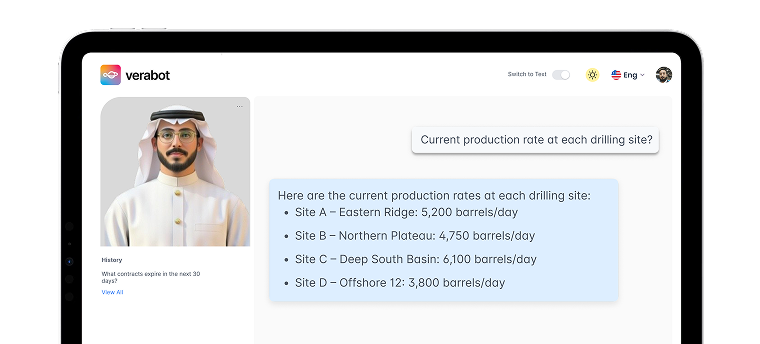
A leading manufacturing enterprise in the Middle East struggled with inefficient supply chain operations, caused by outdated processes, fragmented data systems, and a lack of real-time insights. These challenges resulted in increased costs, delays, and poor decision-making capabilities.

The Solution We Presented
Recognizing the critical need for modernization and enhanced responsiveness, we proposed a comprehensive AI-driven supply chain optimization platform, tailored specifically to the enterprise’s operational and organizational landscape. The solution was designed to create a unified, intelligent, and agile supply chain infrastructure, enabling more strategic control and responsiveness.
Key elements of the proposed solution included:
- Predictive Analytics for Demand Planning
Leveraging historical performance data and external market signals, we outlined an AI-based forecasting capability designed to enhance demand predictability. This would support more dynamic inventory strategies and reduce the risk of stock imbalances. - Real-Time Tracking and Monitoring
We recommended the deployment of IoT-enabled sensing technologies throughout the supply chain network. These sensors would provide continuous visibility into shipment movements, enabling proactive management and greater operational transparency. - Centralized Data Integration Platform
To address the fragmentation of systems, we proposed a robust data hub that would consolidate disparate data sources into a single, coherent platform. This structure would serve as a foundational layer for analytics, planning, and cross-functional decision-making. - Automated Workflow Optimization
AI-powered workflow analysis was incorporated into the solution architecture to identify inefficiencies, streamline operations, and guide process improvement opportunities. These recommendations were aligned with the enterprise’s broader objectives around agility and cost discipline.
Our approach was grounded in a thorough diagnostic engagement—examining existing technologies, workflows, data practices, and organizational priorities. This enabled us to present a phased transformation roadmap, aligned with operational realities and strategic intent, while mitigating disruption risk.
Result and Future Prospects
The proposed solution was designed to serve as a strategic enabler for the enterprise’s supply chain transformation. It reflects a deep understanding of the organization’s operational context and future aspirations, and presents a scalable, intelligent foundation for ongoing improvement.
Key projected benefits and forward-looking advantages include:
- Cost Optimization Potential: Improved demand planning and inventory alignment are positioned to drive meaningful cost efficiencies across procurement, warehousing, and logistics.
- Operational Agility: Automated workflow recommendations and real-time visibility tools offer the ability to rapidly adapt to changing market conditions, disruptions, or shifts in demand.
- Decision-Making Confidence: A centralized data platform and unified insights layer are designed to elevate leadership visibility and support faster, more informed strategic decisions.
- Enhanced Customer Responsiveness: Predictive and real-time capabilities were structured to help the enterprise reduce fulfillment variability and meet customer expectations with greater precision.
- Scalability and Future Readiness: The solution architecture was developed with extensibility in mind—allowing seamless integration of emerging technologies and alignment with future digital initiatives.
By outlining a solution that is both visionary and grounded, the enterprise now holds a well-defined blueprint for transformation. The proposed platform is aligned with core strategic priorities and presents a clear path toward long-term operational excellence and competitive advantage.

A leading manufacturing enterprise in the Middle East struggled with inefficient supply chain operations, caused by outdated processes, fragmented data systems, and a lack of real-time insights. These challenges resulted in increased costs, delays, and poor decision-making capabilities.
The Solution We Presented
Recognizing the critical need for modernization and enhanced responsiveness, we proposed a comprehensive AI-driven supply chain optimization platform, tailored specifically to the enterprise’s operational and organizational landscape. The solution was designed to create a unified, intelligent, and agile supply chain infrastructure, enabling more strategic control and responsiveness.
Key elements of the proposed solution included:
- Predictive Analytics for Demand Planning
Leveraging historical performance data and external market signals, we outlined an AI-based forecasting capability designed to enhance demand predictability. This would support more dynamic inventory strategies and reduce the risk of stock imbalances. - Real-Time Tracking and Monitoring
We recommended the deployment of IoT-enabled sensing technologies throughout the supply chain network. These sensors would provide continuous visibility into shipment movements, enabling proactive management and greater operational transparency. - Centralized Data Integration Platform
To address the fragmentation of systems, we proposed a robust data hub that would consolidate disparate data sources into a single, coherent platform. This structure would serve as a foundational layer for analytics, planning, and cross-functional decision-making. - Automated Workflow Optimization
AI-powered workflow analysis was incorporated into the solution architecture to identify inefficiencies, streamline operations, and guide process improvement opportunities. These recommendations were aligned with the enterprise’s broader objectives around agility and cost discipline.
Our approach was grounded in a thorough diagnostic engagement—examining existing technologies, workflows, data practices, and organizational priorities. This enabled us to present a phased transformation roadmap, aligned with operational realities and strategic intent, while mitigating disruption risk.
Result and Future Prospects
The proposed solution was designed to serve as a strategic enabler for the enterprise’s supply chain transformation. It reflects a deep understanding of the organization’s operational context and future aspirations, and presents a scalable, intelligent foundation for ongoing improvement.
Key projected benefits and forward-looking advantages include:
- Cost Optimization Potential: Improved demand planning and inventory alignment are positioned to drive meaningful cost efficiencies across procurement, warehousing, and logistics.
- Operational Agility: Automated workflow recommendations and real-time visibility tools offer the ability to rapidly adapt to changing market conditions, disruptions, or shifts in demand.
- Decision-Making Confidence: A centralized data platform and unified insights layer are designed to elevate leadership visibility and support faster, more informed strategic decisions.
- Enhanced Customer Responsiveness: Predictive and real-time capabilities were structured to help the enterprise reduce fulfillment variability and meet customer expectations with greater precision.
- Scalability and Future Readiness: The solution architecture was developed with extensibility in mind—allowing seamless integration of emerging technologies and alignment with future digital initiatives.
By outlining a solution that is both visionary and grounded, the enterprise now holds a well-defined blueprint for transformation. The proposed platform is aligned with core strategic priorities and presents a clear path toward long-term operational excellence and competitive advantage.